
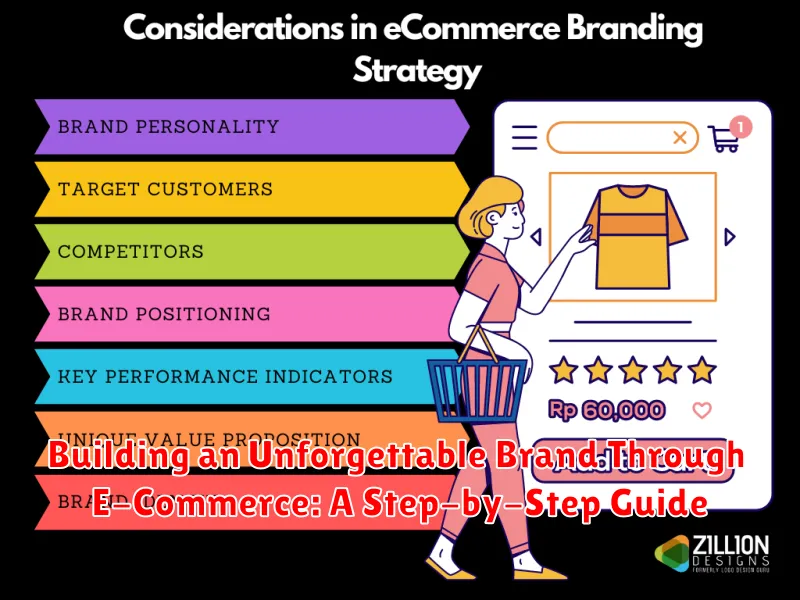
In today’s competitive digital landscape, building a memorable and unforgettable brand is crucial for e-commerce success. This comprehensive step-by-step guide will provide you with actionable strategies to establish a strong brand identity within the e-commerce realm. Learn how to cultivate brand loyalty, differentiate yourself from the competition, and ultimately drive sales through a powerful brand experience. Whether you are launching a new e-commerce venture or looking to revitalize an existing online brand, this guide will equip you with the knowledge and tools necessary to achieve unforgettable brand recognition.
From defining your brand values and crafting a compelling brand story to optimizing your online presence and fostering customer engagement, we will cover every aspect of building a brand through e-commerce. This guide will delve into the intricacies of brand strategy, highlighting the importance of consistent brand messaging, visual identity, and exceptional customer service. By implementing the strategies outlined in this guide, you will be well on your way to creating an unforgettable brand that resonates with your target audience and drives sustainable growth in the dynamic world of e-commerce.
Defining Your Brand Identity and Values
A strong brand identity is the foundation of a successful e-commerce business. It’s what sets you apart from the competition and creates a lasting impression on your customers. This involves defining your core values, mission, and vision. Values are the guiding principles that shape your business decisions. Your mission statement defines your purpose and what you aim to achieve. The vision statement outlines your long-term goals and aspirations for your brand.
Understanding your target audience is crucial in shaping your brand identity. Who are your ideal customers? What are their needs, desires, and pain points? By clearly defining your target audience, you can tailor your brand messaging and offerings to resonate with them effectively. This involves conducting thorough market research and creating detailed buyer personas.
Finally, consider your brand personality. Is your brand playful and energetic, or sophisticated and professional? This personality should be reflected in all aspects of your brand, from your website design to your social media presence. A well-defined brand personality helps create a consistent and memorable experience for your customers.
Creating a Unique Brand Voice and Messaging
Your brand voice is the personality and tone conveyed through your communication. It’s how you speak to your customers and how they perceive your brand. A unique and consistent voice differentiates you from competitors and fosters stronger customer connections. Defining your brand voice involves choosing the right tone, language, and personality to resonate with your target audience.
Key elements to consider include:
- Tone: Are you formal or informal, playful or serious, sophisticated or down-to-earth?
- Language: What kind of vocabulary and grammar do you use? Simple and direct or more complex and descriptive?
- Personality: What human characteristics would you associate with your brand if it were a person? Friendly, helpful, innovative, etc.?
Once you establish your brand voice, ensure it permeates all your messaging, from product descriptions and website copy to social media posts and customer service interactions. Consistent messaging reinforces your brand identity and builds trust with your audience.
Designing a Visually Appealing Online Store
A visually appealing online store is crucial for attracting and retaining customers. Aesthetics play a significant role in how customers perceive your brand and their overall shopping experience. This section outlines key elements for creating a visually engaging e-commerce platform.
Choosing the Right Theme and Template
Select a theme that aligns with your brand identity and target audience. Ensure the template is responsive, adapting seamlessly to different screen sizes. A clean and uncluttered layout is essential for easy navigation.
High-Quality Product Photography
Invest in professional product photography. High-resolution images showcasing your products from multiple angles are essential. Consider lifestyle shots to help customers visualize the product in use.
Color Palette and Typography
Maintain a consistent color palette that reflects your brand’s personality. Choose legible fonts that are easy on the eyes and complement your overall design. Whitespace is important for visual balance and readability.
Crafting Compelling Product Descriptions and Storytelling
Product descriptions are more than just lists of features; they are your opportunity to connect with potential customers on an emotional level. Storytelling is a powerful tool to achieve this connection. Weave a narrative around your product, highlighting its benefits and how it solves a problem for the customer.
Focus on the customer’s needs. Instead of simply stating what your product is, explain what it does for the customer. Use vivid language that appeals to their senses and creates a desire for the product.
Highlight key features and benefits. Use bullet points or short paragraphs to showcase the most important aspects of your product. Clearly articulate how each feature translates into a tangible benefit for the customer.
Maintain a consistent brand voice. Ensure your product descriptions align with your overall brand identity. Whether your brand voice is playful, sophisticated, or practical, maintain consistency across all product descriptions.
Building a Strong Social Media Presence for Your Brand
Social media is a powerful tool for building brand awareness and connecting with your target audience. A strategic approach is crucial for maximizing impact.
Choose the Right Platforms: Don’t spread your resources thin. Focus on the platforms where your target audience spends their time. Research demographics and platform usage to make informed decisions.
Content is King: Create engaging content that provides value to your followers. Share behind-the-scenes glimpses of your business, product tutorials, and user-generated content. Maintain a consistent posting schedule to stay top-of-mind.
Engage with Your Audience: Social media is a two-way street. Respond to comments and messages promptly. Run polls and Q&A sessions to foster a sense of community.
Track and Analyze: Monitor your social media performance using analytics tools. Track key metrics such as engagement rate, reach, and follower growth. Use this data to refine your strategy and improve your results.
Engaging with Customers and Building Relationships
In the competitive e-commerce landscape, fostering strong customer relationships is paramount to building a memorable brand. Engagement is key to turning casual shoppers into loyal advocates.
Personalized communication is a powerful tool. Addressing customers by name and tailoring recommendations based on their purchase history makes them feel valued. Automated email campaigns can welcome new subscribers, offer exclusive deals, and provide helpful product information.
Active social media presence is crucial. Respond promptly to comments and messages, creating a sense of community around your brand. Run contests and polls to encourage interaction and gather valuable feedback.
Excellent customer service builds trust. Provide multiple channels for support, such as email, live chat, and phone. Ensure prompt and helpful responses to inquiries and complaints. A positive customer service experience can significantly impact brand perception.
Leveraging Influencer Marketing to Expand Your Reach
Influencer marketing offers a powerful avenue for reaching new customers and strengthening brand awareness. By partnering with individuals who hold sway over your target audience, you can tap into their established trust and credibility.
Identifying the right influencers is crucial. Look for those whose values and audience align with your brand. Consider micro-influencers with smaller, highly engaged followings for a more targeted and cost-effective approach.
Campaign goals should be clearly defined. Are you aiming for increased brand visibility, website traffic, or direct sales? A clear objective informs the campaign structure and influencer selection.
Authenticity is key. Encourage influencers to integrate your brand into their content organically, ensuring the partnership feels genuine to their audience. Forced or inauthentic promotions can damage both the influencer’s and your brand’s reputation.
Monitoring Your Brand Reputation Online

In the digital age, your online reputation is paramount. Actively monitoring what customers are saying about your brand is crucial for maintaining a positive image and addressing potential issues promptly.
Utilize social listening tools to track mentions of your brand, products, and relevant keywords across various platforms. These tools can provide valuable insights into customer sentiment and identify emerging trends.
Set up Google Alerts for your brand name and key terms. This will notify you whenever your brand is mentioned online, allowing you to stay informed about conversations and address any negative feedback swiftly.
Regularly review online reviews on platforms like Yelp, Google My Business, and industry-specific review sites. Respond to both positive and negative reviews thoughtfully and professionally, demonstrating your commitment to customer satisfaction.
